
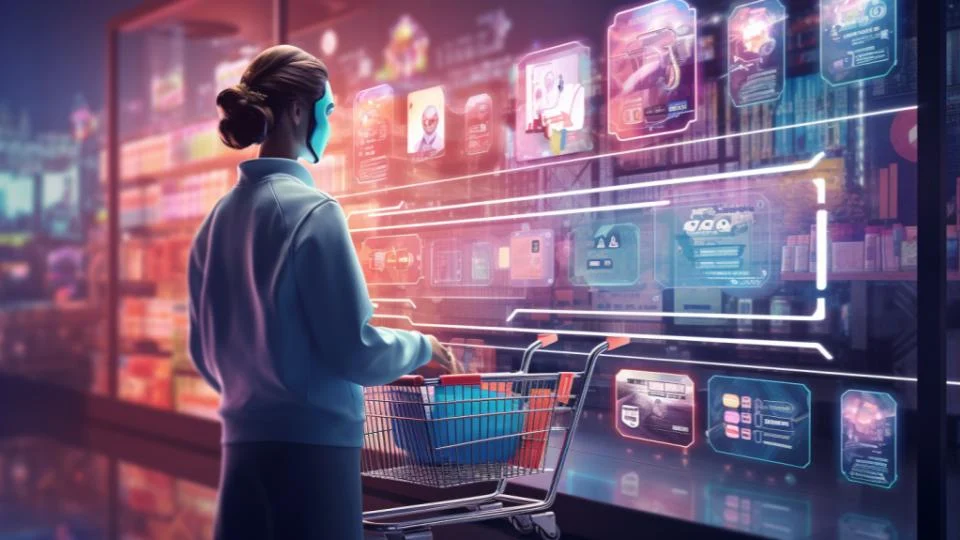
Smart Campaigns, Bigger Conversions: How AI is Transforming Customer Personalization in Beauty Retail
In the ever-evolving landscape of digital commerce, success hinges not only on product quality but also on the customer experience. Today’s consumers expect more—customized recommendations, tailored communication, and a seamless shopping journey across platforms. Artificial Intelligence (AI) is driving this shift, revolutionizing how brands understand and interact with their customers.
This blog explores how a leading beauty retailer leverages AI to craft smart campaigns that lead to stronger customer engagement and higher conversion rates. From machine learning algorithms to virtual try-ons, we uncover how AI-driven personalization is setting new standards in customer experience.
The Rising Demand for Personalization in Retail
Over the past decade, retail has transitioned from mass marketing to a more nuanced, individualized approach. Studies show that around 80% of consumers are more likely to make a purchase when experiences are personalized. In such a landscape, forward-thinking beauty retailers have emerged as leaders in integrating AI to meet and exceed these expectations.
Embracing Digital Transformation with AI
One global beauty retailer began its digital transformation journey in the mid-2010s, investing heavily in AI and data analytics. The goal was clear: to build a digital-first strategy that feels like a personalized consultation for every shopper—whether online or in-store.
This approach not only modernized their sales strategy but also created an omnichannel experience rooted in customer-centric innovation.
The Building Blocks of AI-Powered Personalization
- Intelligent Product Recommendations
By analysing a combination of browsing behaviour, purchase history, location, beauty preferences, and even environmental factors, AI-driven recommendation engines can deliver highly personalized product suggestions.
When customers visit the website or mobile app, they are greeted with a curated selection of products tailored to their skin tone, style, and prior interests. This increases engagement, improves cart value, and boosts conversion rates.
- Shade Matching with Precision Algorithms
One standout feature introduced was a digital shade-matching tool, designed to scan a customer’s skin and provide a unique match code. This match then feeds into a system that recommends the best-fitting foundation shades across hundreds of brands.
Machine learning models refine these matches over time based on feedback and seasonal skin changes, significantly reducing guesswork and returns—a major concern in the cosmetics industry.
- Conversational AI Assistants
Chatbots and virtual assistants are embedded into digital channels, acting as 24/7 beauty advisors. These bots leverage natural language processing (NLP) to understand and respond to queries like “What’s a good lipstick for medium skin with cool undertones?â€â€”offering tailored suggestions based on current trends and user profiles.
They also handle tasks such as booking in-store consultations, providing product details, or suggesting alternatives—streamlining the shopping journey.
- Virtual Try-Ons via Augmented Reality
One of the most engaging innovations is the AI-enhanced AR try-on tool. It allows users to see how different makeup products (lipstick, eyeshadow, blush, etc.) look on their own faces using their device’s camera.
AI ensures accurate facial recognition, lighting adjustment, and colour rendering, creating a lifelike virtual experience. This feature builds buyer confidence and reduces the uncertainty of shopping for cosmetics online.
How Smart Campaigns Drive Higher Conversions
Beyond enhancing user experience, AI plays a crucial role in shaping digital marketing campaigns. Here’s how it contributes to more efficient and effective outreach:
- Predictive Campaign Targeting
Advanced predictive models analyse historical data to anticipate future behaviours—whether a customer is likely to buy a certain product again, or when they might be ready for a restock.
Campaigns are then automatically timed and tailored—such as personalized emails or push notifications offering a new product sample just before a customer’s expected repurchase window. This predictive precision increases the likelihood of conversions.
- Dynamic Email and Ad Content
Instead of static newsletters or generic banner ads, AI enables real-time content customization. Every user sees unique content based on their profile. A skincare enthusiast may see serums and masks, while a makeup lover might be shown new lipsticks and palettes.
This level of personalization significantly increases email open rates, click-through rates, and ad ROI.
- Sentiment Analysis for Feedback-Driven Campaigns
AI also analyses customer sentiment from reviews, chat interactions, and social media. If a user expresses dissatisfaction with a specific product, the system may respond with an apology, a replacement suggestion, or a discount code for their next purchase.
Understanding emotional signals allows campaigns to resonate more deeply and restore trust when needed.
Creating a Unified Omnichannel Experience
AI doesn’t operate in a silo. In top-performing retail models, online and in-store experiences are seamlessly integrated.
For example, when customers walk into a store and use the mobile app, AI recognizes their past activity and recommends relevant products in real time. Sales associates use client Eling tools powered by AI to access the customer’s shopping history and preferences, enabling highly personalized in-store support.
This synergy across platforms creates a fluid, continuous brand experience.
Enhancing Loyalty Programs with AI
A strong loyalty program is another area where AI makes a significant impact. By analysing user data within tiered loyalty systems, AI helps craft personalized rewards and engagement strategies.
Members who frequently purchase skincare might receive early access to new skincare launches. Those loyal to premium makeup lines may be invited to exclusive virtual masterclasses or in-store events.
By aligning rewards with personal interests, these strategies not only retain customers but also deepen their emotional connection to the brand.
Real-World Results: AI in Action
The implementation of AI has led to impressive outcomes for many retail giants in the beauty industry:
- Increased Conversions: Personalized recommendations and AR try-ons lead to higher purchase rates.
- Lower Return Rates: AI-powered shade matching helps customers get it right the first time.
- Improved Customer Lifetime Value (CLV): Better experiences lead to longer relationships and more frequent purchases.
- Higher Engagement: Dynamic marketing campaigns see improved open rates, click-throughs, and interaction time.
According to industry benchmarks, such brands report a 15–20% increase in customer engagement and a substantial rise in revenue attributed directly to personalized digital campaigns.
Challenges of AI Personalization in Beauty Retail
As with any powerful tool, AI comes with challenges and responsibilities:
- Privacy Concerns: Handling sensitive beauty and personal data requires strict compliance with data protection laws like GDPR and CCPA.
- Bias and Inclusivity: Early AI models have faced criticism for failing to represent diverse skin tones. Ongoing efforts to train models on inclusive datasets are essential.
- Avoiding the “Creepiness†Factor: Too much personalization can feel invasive. Transparency and consent-based data use are key to maintaining user trust.
The Road Ahead: What’s Next for AI in Beauty Retail?
The future of AI in retail is incredibly promising, with emerging possibilities such as:
- Voice-Activated Shopping: Customers might soon describe their ideal product and have it found and matched via voice commands.
- AI-Generated Makeup Tutorials: Based on facial structure, event type, and preferences, AI could generate step-by-step looks.
- Mobile Skin Health Diagnostics: Using AI and smartphone cameras, customers could receive assessments and care tips in real time.
These innovations will further elevate personalization and offer even greater value to customers.
Final Thoughts: AI is Redefining Beauty Retail
The integration of AI into customer personalization strategies has revolutionized how beauty retailers operate. From intelligent product recommendations and virtual try-ons to smarter campaigns and loyalty optimization, AI is enabling a level of individualization that was once impossible at scale.
By leveraging data, machine learning, and automation thoughtfully, retailers can deliver deeply relevant, engaging experiences that turn casual buyers into lifelong brand advocates. In a competitive landscape, that’s the ultimate beauty of smart personalization.
Leave Comment