
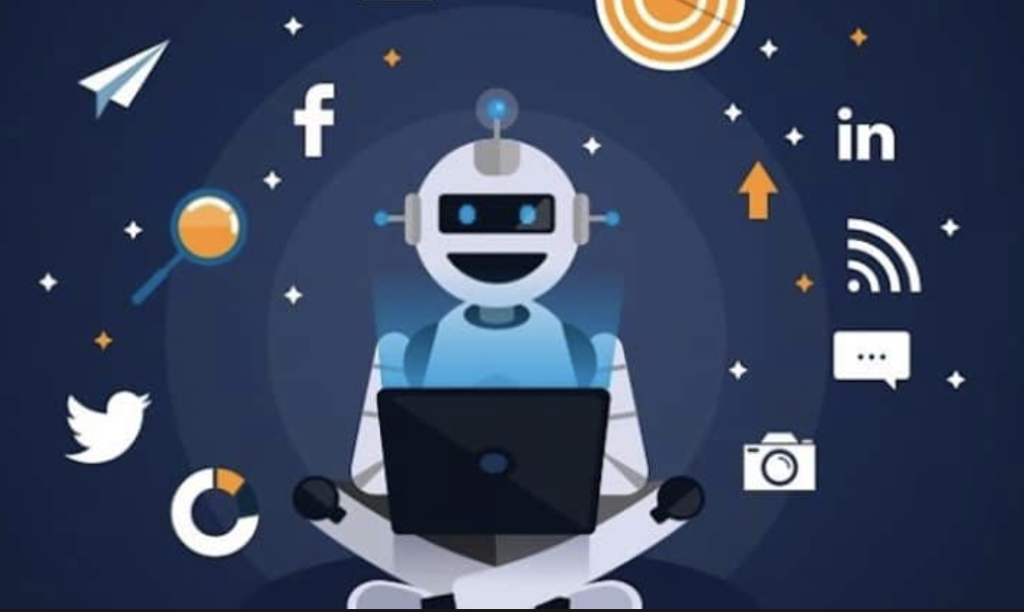
AI-Powered Marketing Skills: What Every Digital Marketer Needs to Learn Now
Artificial Intelligence (AI) is no longer a futuristic concept—it’s already transforming the digital marketing landscape. From personalized customer experiences to data-driven decision-making, AI has become a critical tool for marketers aiming to stay competitive in 2025 and beyond. As AI technologies evolve, so must the skills of digital marketers.Â
In this blog, we’ll explore the essential AI-powered marketing skills every digital marketer must learn now to thrive in today’s data-centric, fast-paced digital ecosystem.Â
Why AI in Marketing is a Game-ChangerÂ
AI has the potential to supercharge marketing by automating tasks, improving customer segmentation, enhancing personalization, and uncovering deeper insights from large volumes of data. According to a report by Salesforce, 84% of marketers say AI is significantly improving their ability to deliver real-time, personalized experiences.Â
Major benefits include:Â
- Predictive analytics to anticipate customer behaviour.Â
- Automation of repetitive tasks (emails, social media posts).Â
- Chatbots and virtual assistants for 24/7 customer engagement.Â
- Content creation and optimization with natural language generation (NLG).Â
- Advanced customer insights through big data analysis.Â
But tools are only as effective as the professionals who use them. That’s why upgrading your skill set for AI-powered marketing is not optional—it’s a necessity.Â
Â
- Data Literacy and Analytical Thinking
Before diving into tools and algorithms, digital marketers must develop strong data literacy. AI thrives on data, and understanding how to read, analyse, and interpret data is crucial for leveraging AI effectively.Â
What You Need to Learn:Â
- Understanding data sources (first-party, second-party, third-party).Â
- Reading analytics reports (Google Analytics 4, HubSpot, etc.).Â
- Familiarity with data visualization tools (Tableau, Power BI).Â
- Identifying key performance indicators (KPIs) and customer behaviour trends.Â
- Basic understanding of statistics and probability.Â
Why It Matters:Â
Without data literacy, marketers may misuse AI insights or fail to recognize flawed data patterns—leading to poor strategy decisions. Analytical thinking helps in framing the right questions that AI can answer.Â
Â
- AI Tools and Automation Platforms
Marketers today must be comfortable using AI-powered tools that automate workflows and optimize campaigns. Mastering these tools is essential to improve efficiency and ROI.Â
Essential Tools to Know:Â
- ChatGPT / Jasper / Copy.ai – For AI-driven content generation.Â
- HubSpot / Active Campaign / Mailchimp AI – For automated email marketing.Â
- Zapier / Make (Integromat) – For automating marketing workflows.Â
- Surfer SEO / Clear scope / Market Muse – AI tools for SEO optimization.Â
- Google Ads Smart Bidding / Meta Ads AI – For intelligent ad bidding and targeting.Â
Skill Development Tips:Â
- Take tool-specific certifications or tutorials.Â
- Practice creating marketing automation workflows.Â
- Analyse before-after performance to measure AI impact.Â
Â
- Prompt Engineering for Generative AI
The rise of tools like ChatGPT has given marketers powerful AI writing assistants. However, the output quality depends heavily on the input prompt.Â
What is Prompt Engineering?Â
Prompt engineering is the skill of crafting precise inputs (prompts) that yield high-quality, targeted AI-generated content.Â
What You Should Master:Â
- Structuring prompts with clarity, tone, context, and format.Â
- Chaining prompts to create long-form or multi-step content.Â
- Using prompt templates for emails, ad copies, product descriptions, etc.Â
Practical Applications:Â
- Writing compelling product descriptions at scale.Â
- Generating unique blog titles, meta descriptions, and social captions.Â
- Brainstorming campaign ideas with the help of AI.Â
Â
- Predictive and Prescriptive Analytics
AI can do more than show historical performance; it can predict future outcomes and even suggest optimal decisions.Â
What You Need to Understand:Â
- How machine learning models predict trends (e.g., churn rate, conversion likelihood).Â
- Tools like Google Big Query ML, IBM Watson, or Salesforce Einstein.Â
- How to interpret regression models, decision trees, and scoring systems.Â
Real Use Cases:Â
- Predicting which customers are most likely to convert.Â
- Identifying optimal send times for email campaigns.Â
- Recommending the best-performing products for upsell.Â
Actionable Tip:Â
Even if you’re not a data scientist, knowing how to use predictive tools and interpret output helps you make data-driven decisions.Â
Â
- Personalization with AI
Hyper-personalization is the future of marketing, and AI is the engine that makes it possible.Â
Skills You Must Learn:Â
- Using AI for behavioural segmentation.Â
- Dynamic content personalization across web, email, and social.Â
- Implementing recommendation engines (similar to Amazon or Netflix).Â
Tools to Explore:Â
- Segment, Optimizely, and Dynamic Yield for personalization.Â
- Salesforce Marketing Cloud with AI capabilities.Â
- Adobe Experience Cloud for customer journey orchestration.Â
Real-World Example:Â
Netflix uses AI to personalize thumbnails, titles, and recommendations for each user. E-commerce platforms can apply similar techniques to increase CTR and conversions.Â
Â
- Conversational AI and Chatbots
Customers today expect instant answers. AI-powered chatbots not only reduce response time but also collect valuable user data.Â
Skills Needed:Â
- Designing chatbot workflows and conversational flows.Â
- Understanding Natural Language Processing (NLP) basics.Â
- Implementing chatbots using tools like Dialog flow, Tidio, Many Chat, or Intercom.Â
How It Helps:Â
- Reduces customer service load.Â
- Captures lead in real time.Â
- Enhances user experience and customer satisfaction.Â
Â
- Visual Recognition and Voice Search Optimization
With AI-enabled image and voice search growing rapidly, marketers must learn how to optimize content for these formats.Â
Visual AI Skills:Â
- Using AI for image tagging and categorization.Â
- Visual recognition tools like Google Vision AI or Amazon Rekognition.Â
- Optimizing product images for visual search (Pinterest Lens, Google Lens).Â
Voice AI Skills:Â
- Writing voice-friendly content with natural language structure.Â
- Understanding how voice search differs from text search.Â
- Optimizing for “near me”, “how to”, and conversational queries.Â
Â
- Ethical AI Use and Data Privacy Awareness
Using AI responsibly is just as important as using it effectively. Ethical concerns around privacy, bias, and transparency are becoming central to digital marketing.Â
Key Topics to Learn:Â
- GDPR, CCPA, and data consent regulations.Â
- Understanding algorithmic bias and fairness in targeting.Â
- Transparent AI usage (disclosing AI-generated content).Â
Best Practices:Â
- Always inform users if they’re interacting with AI.Â
- Provide opt-out options for personalization or data tracking.Â
- Use ethical frameworks for targeting and segmentation.Â
Â
- Cross-Channel AI Integration
AI doesn’t work in silos—it thrives in ecosystems. Marketers should be able to integrate AI capabilities across multiple digital channels.Â
Skills to Develop:Â
- Building omnichannel strategies using AI touchpoints.Â
- Integrating CRM data with AI-powered ad tools.Â
- Creating consistent messaging using AI insights across email, web, and social.Â
Tool Suggestions:Â
- Zapier, Segment, and HubSpot Ops Hub for integration.Â
- Meta Ads Advantage+ for AI-driven omnichannel ad strategies.Â
- Customer Data Platforms (CDPs) for unified AI-powered profiles.Â
Â
- Continuous Learning and Adaptability
The AI landscape is changing rapidly. Marketers must stay updated with the latest tools, trends, and techniques through continuous learning.Â
Tips to Stay Ahead:Â
- Follow thought leaders and subscribe to AI/marketing newsletters.Â
- Take micro-certifications on platforms like Coursera, LinkedIn Learning, and Google Skill shop.Â
- Experiment with new tools as they emerge—early adoption can give you a competitive edge.Â
Recommended Courses:Â
- AI for Everyone – Andrew Ng (Coursera)Â
- Google AI Digital Marketing CertificationÂ
- Meta Blueprint AI Ads CertificationÂ
- HubSpot AI-Powered Marketing BootcampÂ
Â
How to Start Your AI Marketing Learning Journey TodayÂ
If you’re ready to future-proof your career, start by evaluating your current skill set and choosing one or two areas from above to dive into. Here’s a roadmap:Â
- Begin with Data Literacy – Understand the fundamentals of data and analytics.Â
- Explore AI Tools – Try ChatGPT or Jasper for content, Surfer SEO for SEO, or HubSpot for automation.Â
- Learn Prompt Engineering – Start experimenting with writing prompts to see how you can enhance AI-generated content.Â
- Experiment with Personalization – Use dynamic content tools to tailor your campaigns.Â
- Practice Ethical AI – Make sure your AI use complies with legal and ethical standards.Â
Â
Final Thoughts: The Future is AI-DrivenÂ
AI is not replacing marketers—it’s empowering them. The marketers who thrive in the coming years will be those who embrace AI not just as a tool, but as a core skillset. Mastering AI-powered marketing skills now will help you:Â
- Create more effective campaigns.Â
- Make smarter decisions.Â
- Provide better customer experiences.Â
- Stay ahead of your competition.Â
Whether you’re a freelancer, agency owner, or in-house marketer, investing in your AI skills is investing in your future. Start learning today, and become the marketer every brand wants tomorrow.Â
For More Info: it software company in indoreÂ
Leave Comment